Complete Guide to WHOIS Lookup: What It Shows and How to Use It Published: 19 Jun, 2026
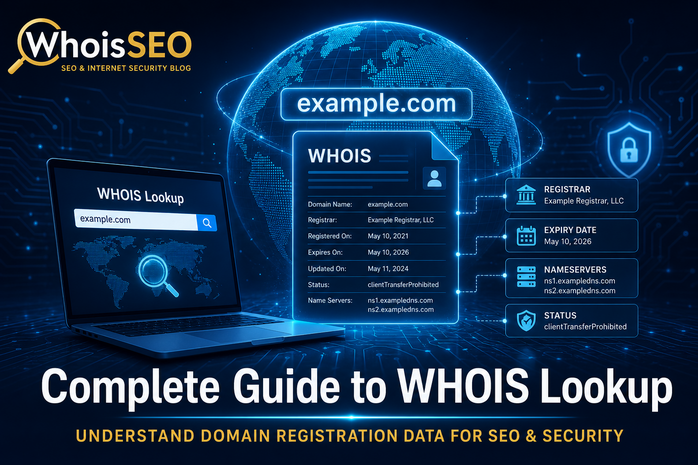
WHOIS lookup is one of the most useful free checks for anyone working with domains, SEO, or online security. This guide explains what WHOIS data includes, how to interpret it, and when to use it responsibly.
What is WHOIS?
WHOIS is a public query system that returns registration details for a domain name: registrar, creation date, expiry date, name servers, and sometimes contact information (depending on privacy settings).
What you can learn from a WHOIS lookup
- Domain age — older domains may carry more trust signals in competitive niches.
- Registrar and status — helps spot transfers, locks, or suspicious changes.
- Name servers — reveals hosting/CDN setup useful for technical SEO audits.
- Expiry date — critical for portfolio management and drop-catching awareness.
Practical use cases
SEO professionals use WHOIS to verify domain history before acquisitions. Security teams check newly registered domains linked to phishing. Buyers confirm legitimacy before transfers. Journalists verify site ownership when investigating online claims.
Limitations and privacy (GDPR)
Many registrars now redact personal data. WHOIS may show privacy proxy contacts instead of real owners. Results can be cached and slightly outdated — always cross-check critical decisions with the registrar directly.
How to run a WHOIS lookup on WhoisSEO
Enter any domain in our WHOIS tool. Results are formatted for readability with key fields highlighted. Combine with our DNS lookup for a full technical picture.
Best practices
- Use WHOIS for lawful research only — never for spam or harassment.
- Respect rate limits; bulk scraping harms infrastructure.
- Document findings when auditing domains for clients.
WHOIS remains an essential layer in domain intelligence. Used correctly, it supports smarter SEO, safer browsing, and better business decisions.